
How Many Porta Potties Do I Need for OSHA Compliance?
Count your crew, then apply the ratio. A 15-person framing crew needs 1 unit. A 45-person crew needs 2 toilet seats plus a urinal. This is the same math whether you're building in downtown St. Petersburg or out near Gulfport, 5.2 miles west. Our how many porta potties do I need guide walks through the ratio in more detail if your crew size changes week to week, which it usually does on a real job.
Cal/OSHA portable toilet requirements construction sites follow a similar structure to federal OSHA but California enforces it through its own agency; Florida sites fall under federal OSHA jurisdiction and use 1926.51(c)(1) directly, no state overlay involved. If you're staffing a job that also runs crews near Pinellas Park or Seminole, the ratio still travels with the headcount, not the address. Most contractors order a mix of standard porta potty rental units for the crew and one ADA accessible porta potty unit if a jobsite has any public-facing element. Multi-week jobs usually price out better on a monthly porta potty rental plan than day by day.
What Are OSHA's Portable Toilet Distance Requirements?
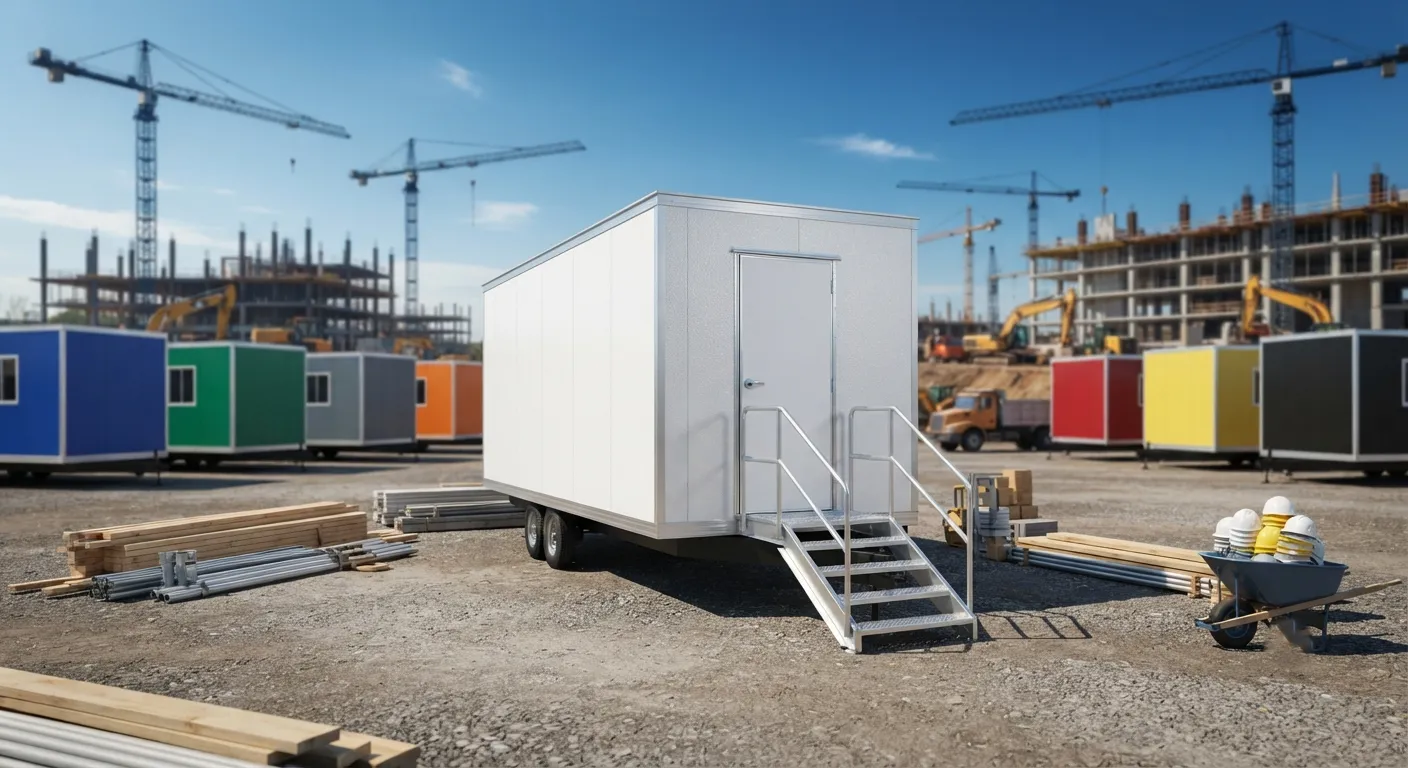
OSHA does not publish a specific setback distance for toilet placement on construction sites; the standard focuses on ratio, not distance. What OSHA does require is potable water on site under 1926.51(a)(1), and general housekeeping around work areas under 1926.25 so units stay reachable and clear of debris. Placement in the public right of way in St. Petersburg needs confirming with the city before you set anything at the curb line. Our porta potty placement guide covers ground conditions, ADA clearance and how far a service truck needs to reach. If a unit sits near a work zone with barricades, those barricades need to meet ANSI D6.1 under 1926.202. Ground conditions matter too: a standard unit runs about 44 by 48 inches on the ground and stands roughly 92 inches tall, so tight lots near older St. Petersburg lots sometimes call for a smaller footprint or a different layout entirely. Check our porta potty rental checklist before delivery day.
Do OSHA Rules Require ADA-Accessible Units?
ADA rules run alongside OSHA, not inside it, and they apply differently depending on whether the public accesses the site. Where portable units are clustered, ADA Standards 213.2 requires at least 5 percent of units, and never fewer than one, to be accessible. An accessible unit needs a 60 inch turning circle per 304.3.1, a 32 inch clear door opening per 404.2.3, and a 36 inch clear route per 403.5.1. Our ADA accessible porta potty page covers unit specs, and ADA restroom requirements covers the broader rule set including reach ranges under 308.2.1. Events open to the public, like a festival or a race through St. Petersburg, generally need at least one accessible unit regardless of headcount. Construction sites without public access lean more on OSHA ratio math than ADA clustering rules, but a jobsite with a public sales trailer or visitor area should plan for both.
What Else Does OSHA Require Besides Toilet Count?
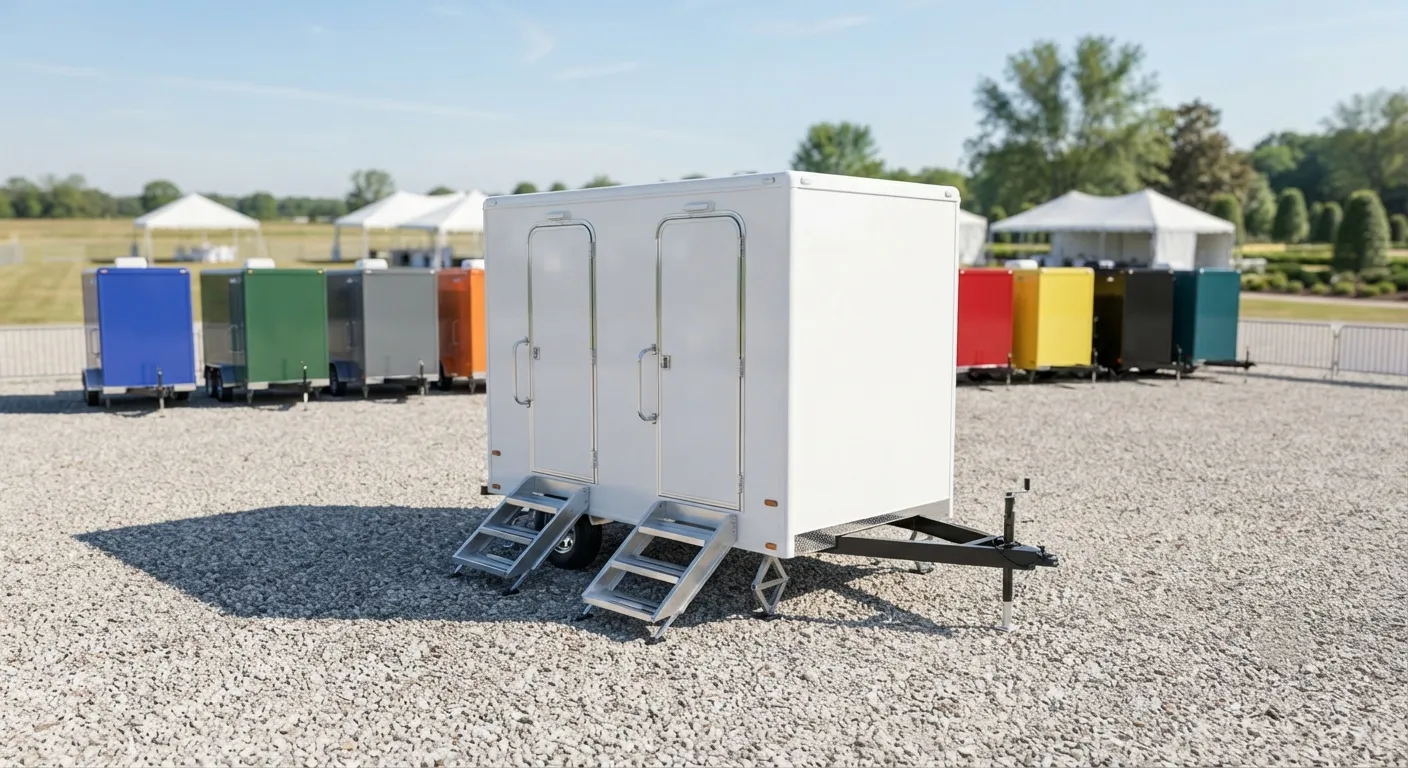
Handwashing comes up a lot, and it's often misapplied. 1926.51(f)(1) only requires washing facilities where workers apply paints, coatings, herbicides or insecticides, or handle other contaminants; it is not a blanket handwashing mandate for every jobsite. For general industry workplaces rather than construction, toilet ratios instead fall under 1910.141(c)(1)(i), and wherever washing is required, 29 CFR 1910.141(d)(2) requires soap and towels or a hand-drying device; hand sanitizer alone doesn't satisfy it. Agricultural operations follow a separate rule, 1928.110, which calls for one facility per 20 hand-labor workers within a quarter mile walk. See our handwashing station requirements page and handwashing station rental for setup options. Service frequency also matters for compliance and odor control: the industry baseline under ANSI/PSAI Z4.3 is one service visit per week for up to 10 users over a 40 hour week. Our how often are porta potties cleaned page covers what happens on busier sites.
| unit | duration | typical price |
|---|---|---|
| standard | day | $150 |
| standard | week | $200 |
| standard | month | $200 |
| ada | week | $185 |
| deluxe | week | $250 |
Prices above reflect measured rates across the market; see porta potty rental cost and porta potty rental per day for more detail. For jobsites also running dumpsters, our construction dumpster rental and dumpster rental cost pages cover that side. Some contractors also ask about storage container rental for tool lockup on the same site; see storage container rental and storage container rental cost for that. St. Petersburg Porta Pros delivers both alongside toilets so a single delivery run covers the whole jobsite setup.
How many porta potties do I need for a 30-person crew?
Two units minimum. Under 1926.51(c)(1), 21 to 200 workers need 1 toilet seat and 1 urinal per 40 people, so a 30-person crew rounds up to 2 fixtures. Check our OSHA portable toilet requirements math against your actual headcount before ordering.
Does OSHA require handwashing stations on every construction site?
No. 1926.51(f)(1) only triggers washing facilities where crews apply paints, coatings, herbicides or insecticides. Most general construction sites don't trigger it. See handwashing station requirements for when it applies.
Is Cal/OSHA different from federal OSHA for portable toilets?
Yes, but only in California. Florida jobsites, including St. Petersburg, follow federal OSHA under 1926.51(c)(1) directly. There's no separate state agency layered on top here.
What's the difference between OSHA toilet rules and ADA toilet rules?
OSHA sets ratio by worker count. ADA sets accessibility specs like door width and turning space under 213.2 and 304.3.1. A site can meet OSHA ratio and still need an ADA unit if the public has access.
Can I rent a storage container along with porta potties for one jobsite?
Yes. Many contractors order both in one delivery. See storage container rental and 20ft storage container for sizing options alongside your toilet order.
Next step
Get a delivery date
Tell us the address, the dates and the headcount. We size the order and confirm the route.