
How Do Porta Potties Work?
Under the seat sits a holding tank, about 60 to 70 gallons on a standard unit, built into a footprint roughly 44 by 48 inches on the ground and standing close to 92 inches tall. There's no plumbing hookup. A blue chemical deodorizer drops into the tank before delivery, breaking down solids and masking odor until the next pump-out. Vents in the roof pull air through the tank instead of back into the stall, which is why a well-serviced unit smells far less than people expect. ANSI/PSAI Z4.3, the portable sanitation service standard, sets one visit per week for up to 10 users across a 40 hour week as the baseline interval, though busier sites in St. Petersburg need more frequent stops. A construction worker running to a porta potty on a hot Florida afternoon just needs the door to work, the seat to be stable, and the tank to not be full. That's the whole system. If you're planning numbers for a crew, the how many porta potties do I need guide walks through the math by headcount.
How Does a Portable Sink Work?
A portable sink runs on a self-contained system: a fresh water tank feeds a foot pump or hand pump, water drains into a separate gray water tank underneath, and soap sits in a built-in dispenser. No hose bib, no sewer line. 29 CFR 1910.141(d)(2) requires washing facilities to include soap and towels or a hand-drying device, and hand sanitizer alone does not satisfy that. For crews applying paints, coatings, herbicides or insecticides, OSHA 1926.51(f)(1) requires washing facilities on top of the general toilet requirement. A handwashing station rental or portable sink rental covers both needs, and pairing one with a porta john rental is standard practice on most job sites. Renovation crews working close to homes in St. Petersburg often add a sink station specifically for this reason, especially on paint-heavy jobs. If sanitizer-only setups seem like enough, the handwashing station requirements page breaks down where that assumption falls short.
How Do Flushable Porta Potties Work?
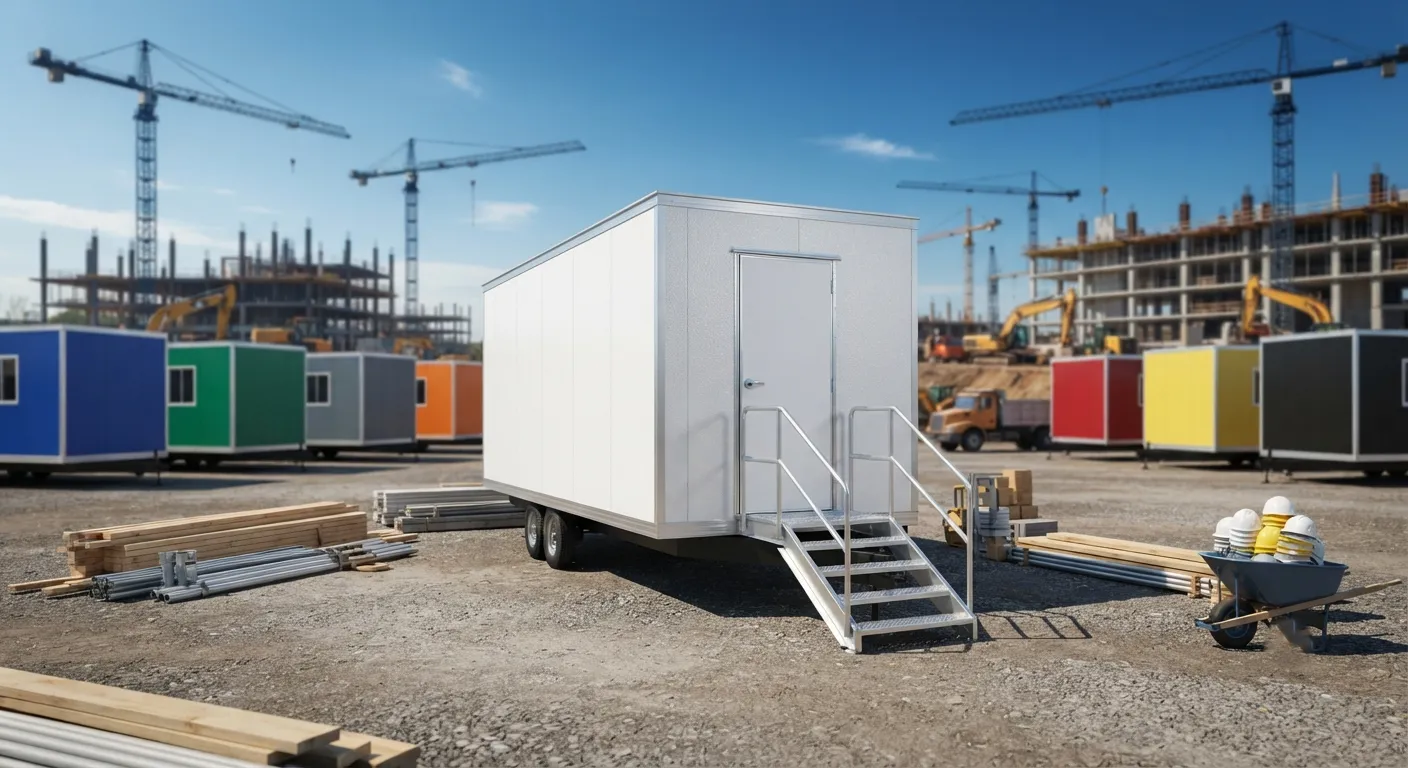
A flushable unit adds a fresh water tank, a hand or foot pump, and a small reservoir that pushes water through the bowl on flush, separate from the holding tank below. Waste and flush water both land in the same holding tank, so it still needs regular pump-outs, but the bowl stays cleaner between visits. This is the setup behind a deluxe flushable porta potty, and it's the unit most weddings and corporate events near St. Petersburg request over a standard model. An ADA accessible porta potty can come in this configuration too, built to ADA Standards 304.3.1 for a 60 inch turning circle and 404.2.3 for a 32 inch clear door opening. Where units are clustered on one site, ADA Standards 213.2 requires at least 5 percent to be accessible, never fewer than one. For a backyard camping trip, a smaller flushable unit works the same way at a smaller scale, and the camping porta potty page covers that use case directly.
Do Porta Potties Use Chemicals, and Are They Safe?
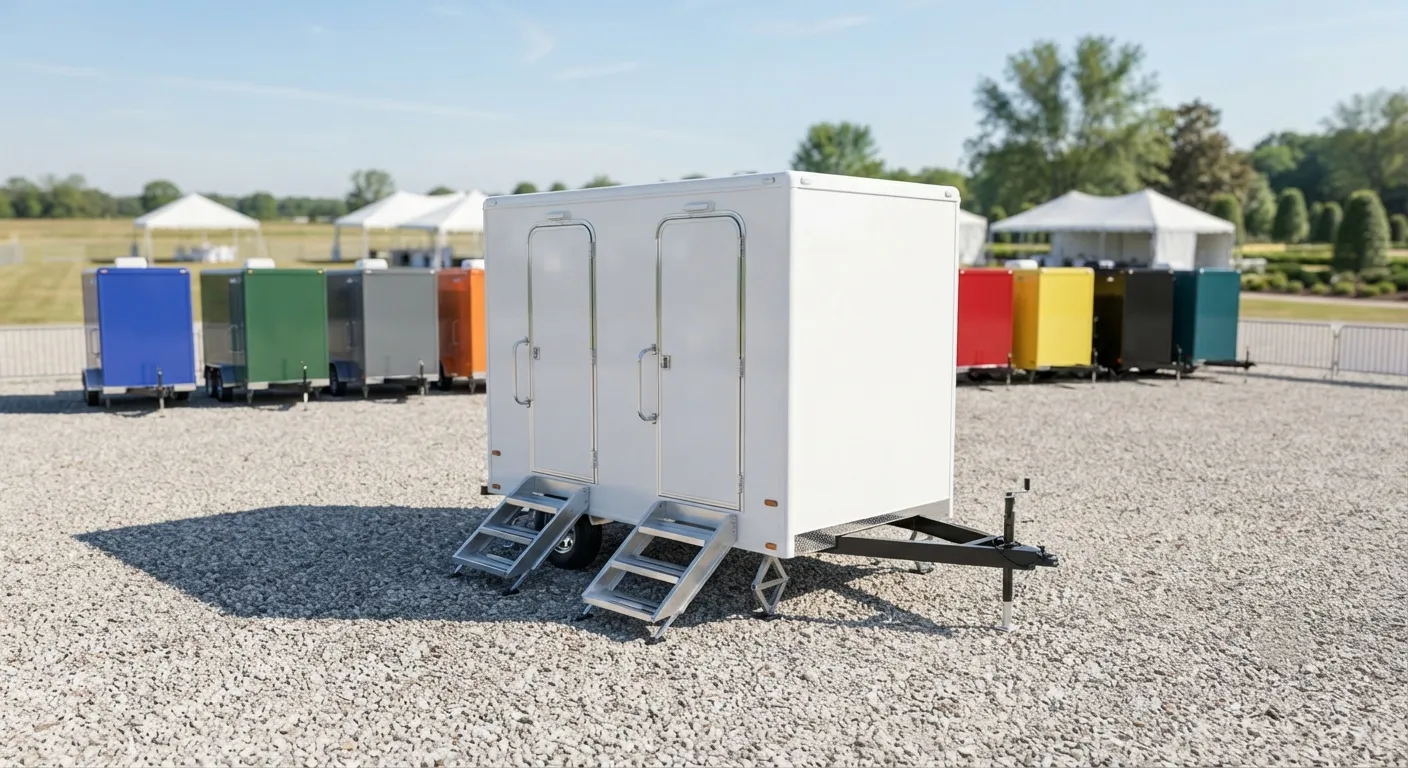
Yes. Portable toilet chemicals break down solid waste, suppress odor, and tint the water so tank levels are easy to check at a glance. These are dosed by trained technicians during delivery and each service stop, not something a renter handles. It's a different system from septic tank cleaning chemicals, which are formulated for buried tanks and long dwell times rather than a portable unit serviced weekly. A residential septic tank is typically pumped every 3 to 5 years depending on tank size and household size, which is a much longer cycle than a rental toilet's weekly service. If your question is really about a fixed system rather than a rental, the septic pumping service and septic tank cleaning pages cover that separately. For rental units, OSHA 1926.51(c) sets the ratio driving how many toilets a crew needs, and OSHA 1926.51(a) requires potable water at the job site regardless of toilet count.
| Unit type | Day | Week | Month |
|---|---|---|---|
| Standard | $100 - $350 | $130 - $500 | $125 - $325 |
| ADA | $200 - $400 | $240 - $400 | - |
| Deluxe flushable | $85 - $1200 | $150 - $290 | - |
Delivery runs separately from the rental itself; see porta potty rental cost or porta potty rental per day for how that fee stacks. Longer jobs usually make more sense priced by the month through monthly porta potty rental rather than repeated weekly terms.
Do porta potties smell?
A well-serviced unit shouldn't smell strongly. Roof vents pull air through the tank rather than into the stall, and the chemical charge controls odor between visits. Service frequency matters more than the unit itself; see how often are porta potties cleaned for typical schedules.
How do camping porta potties work?
The same holding-tank-and-chemical system as a job site unit, just sized down. Some camping setups use a smaller cassette tank you empty yourself. For group camping or an extended stay, a standard rental unit from camping porta potty options is usually more practical than several small cassette units.
Where can portable toilet chemicals be found near me?
St. Petersburg Porta Pros dispenses and restocks chemicals during every scheduled service, so renters never need to source or handle them separately. This is included in the rental, not billed as an add-on line.
Is a permit needed to place a porta potty in St. Petersburg?
Placement in the public right of way needs confirming with the city before delivery. Check porta potty permit requirements and the porta potty placement guide before finalizing a site location.
How far will St. Petersburg Porta Pros deliver?
Service covers St. Petersburg and nearby communities, including Gulfport 5.2 miles west and Pinellas Park 10.1 miles northwest. Check service areas for the full list of towns covered from the St. Petersburg base.
Next step
Get a delivery date
Tell us the address, the dates and the headcount. We size the order and confirm the route.