
Why Do Porta Potties Smell?
Smell happens when waste sits too long against warm air, and St. Petersburg heat speeds that up. A standard unit's 60 to 70 gallon tank is sized for a set number of users over a set number of days. Push past that number, whether it's a weekend wedding or a five-day job site, and the chemical treatment in the tank gets overwhelmed. Deodorizer breaks down odor-causing bacteria, but it has a limit. That's why standard porta potty rental plans in St. Petersburg get sized around headcount and event length, not just guesswork. A unit built for 10 users a week, per the ANSI/PSAI Z4.3 baseline, will smell fast if 40 people use it over a single Saturday. If you're not sure how many units you need, the how many porta potties do I need guide walks through the math before you book. Placement matters too. A unit baking in direct sun all day in St. Petersburg breaks down odor control chemicals quicker than one in shade, which is one reason the porta potty placement guide is worth a read before delivery day.
Does Servicing Frequency Change the Smell?
Yes, service interval is the single biggest lever on odor. The ANSI/PSAI Z4.3 industry baseline is one pump-and-refill visit per week for up to 10 users across a 40 hour week. A construction crew of 25 working ten-hour days in St. Petersburg will need more frequent visits than that baseline assumes, and OSHA 1926.51(c)(1) sets the ratio at one toilet for 20 workers or fewer, climbing to one toilet seat and one urinal per 40 workers between 20 and 200. More users on the same tank means the interval has to shrink, not stretch. St. Petersburg Porta Pros builds service frequency into every quote instead of defaulting to once a week regardless of crew size. For a rundown of what a service visit actually includes, see how often are porta potties cleaned. Longer rentals, like the options on the monthly porta potty rental page, need a locked-in schedule from day one or odor complaints start by week two.
Can I Rent an Upgraded Unit With Better Odor Control?
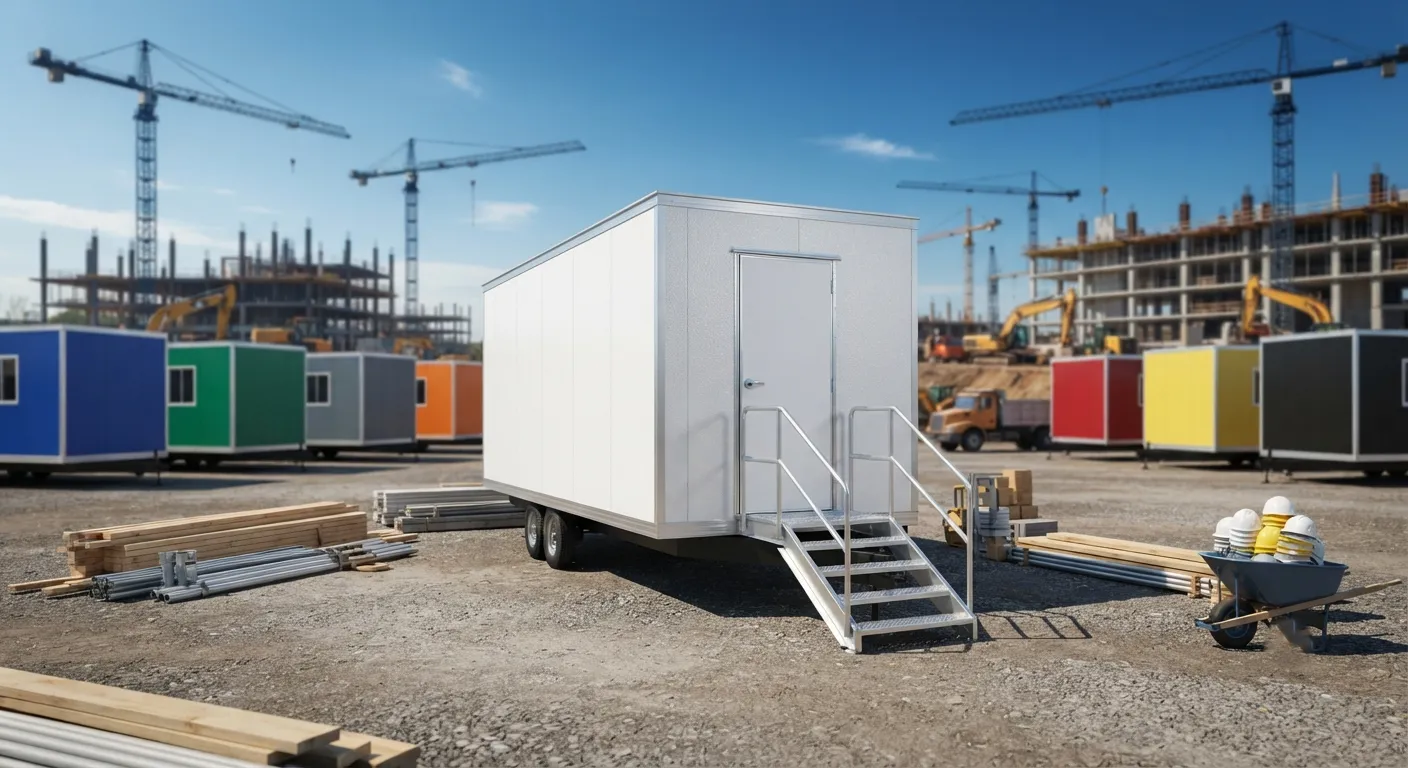
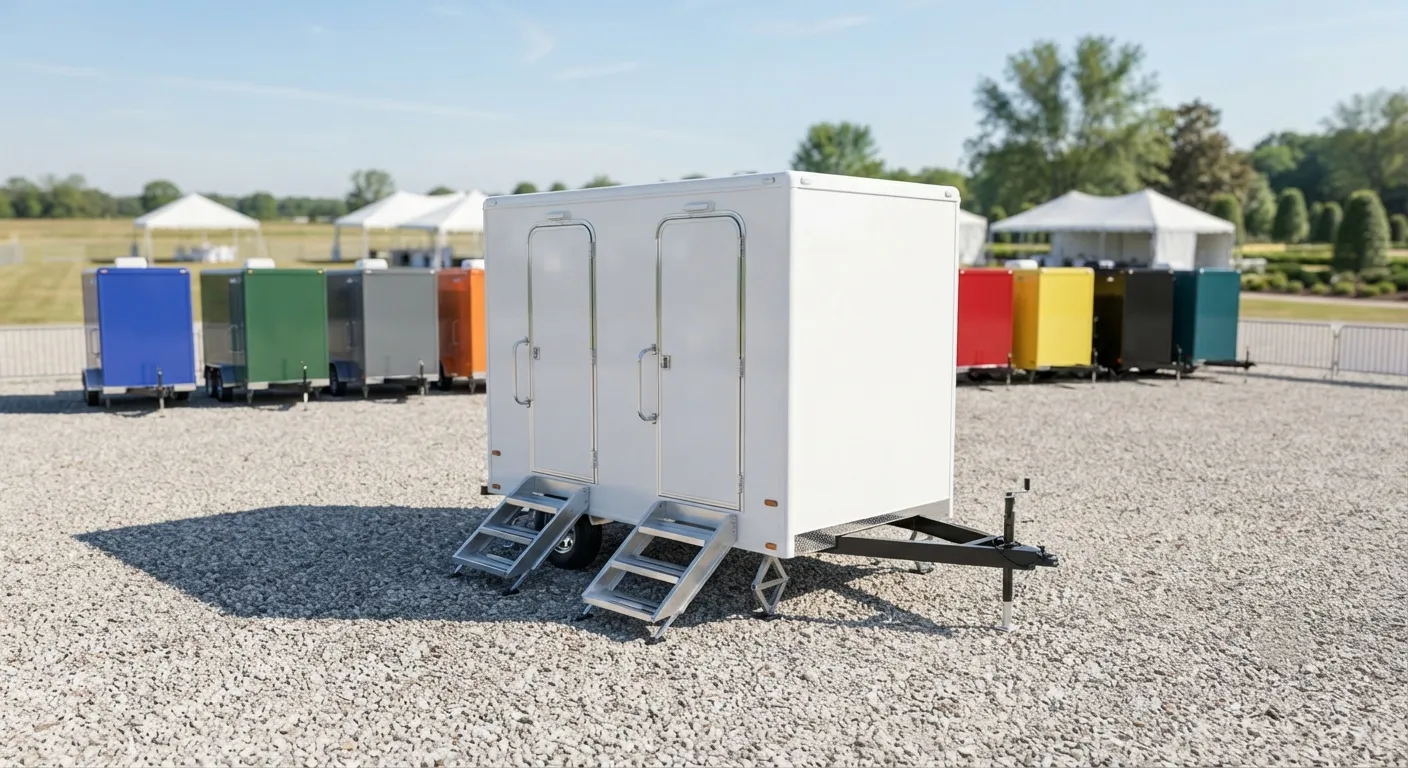
Yes. A deluxe flushable porta potty uses a flush mechanism and fresh-water rinse that cuts down on standing waste odor compared to a standard chemical-only unit, and it runs in the deluxe day and week price bands rather than standard rates. For events where guests notice everything, a restroom trailer rental goes further still, with climate control and separate stalls that keep odor from building the way a single-unit setup can. Options range from a 2 stall restroom trailer for a small backyard wedding up to an 8 stall restroom trailer for a festival crowd. If the event also needs rinse-off access, a shower trailer rental pairs well with a trailer order. None of these upgrades replace a service schedule. They just give you more room for error if a delivery gets delayed by a day.
Where Should I Place a Unit to Cut Down Smell?
Away from direct sun and away from entrances, ideally with a clear path for the service truck. Heat speeds up odor buildup inside the tank, so shaded placement in St. Petersburg's climate buys you time between visits. ADA Standards 403.5.1 requires a 36 inch clear route to any accessible unit, and ADA Standards 213.2 requires that clustered single-user units include at least one accessible unit, so plan placement around both access and airflow. For sites near Gulfport, 5.2 miles west of St. Petersburg, or Pinellas Park, 10.1 miles northwest, the same placement rules apply: firm, level ground per ADA Standards 302.1 and enough clearance for the service truck to reach the tank. A portable toilet rental placed against a fence line downwind of a work area smells less than one dropped next to a break tent. If the event or job site sits inside city limits, confirm placement in the public right of way with St. Petersburg directly, since that rule is not something to guess at. The porta potty permit requirements page covers what to ask about before delivery.
| unit | duration | typical price |
|---|---|---|
| standard | day | 150 |
| standard | week | 200 |
| deluxe | day | 300 |
| deluxe | week | 250 |
| ada | day | 230 |
Handwashing matters here too. 29 CFR 1910.141(d)(2) requires soap and towels or a hand-drying device at wash stations, since hand sanitizer alone doesn't satisfy that rule. A handwashing station rental placed near the units keeps odor-causing bacteria off hands and reduces the smell that travels with foot traffic. Job sites doing painting, coating or pesticide work also fall under OSHA 1926.51(f)(1) for washing facilities. For general potable water access, OSHA 1926.51(a)(1) still applies regardless of unit type.
How often do porta potties need to be serviced to avoid smell?
The ANSI/PSAI Z4.3 baseline is once a week for up to 10 users over a 40 hour week. Larger crews or weekend events need more frequent visits. St. Petersburg Porta Pros schedules around actual headcount, not the baseline default, to keep odor down.
Do deluxe or flushable units smell less than standard ones?
Yes, generally. A deluxe flushable porta potty uses fresh water and a flush mechanism, which cuts down on standing odor compared to a standard chemical-only tank, especially over multi-day rentals.
Will hot weather make a porta potty smell worse?
Yes. Heat accelerates bacterial breakdown inside the tank, which increases odor faster than in cooler weather. Shaded placement and a tighter service schedule both help offset St. Petersburg's climate.
Can I request extra servicing if a unit starts to smell?
Yes, extra visits can be added to most rental plans. Contact St. Petersburg Porta Pros through the request a quote page to adjust a schedule mid-rental if usage runs heavier than expected.
Are restroom trailers less smelly than standard porta potties?
Generally yes, especially for events. A restroom trailer rental includes separate stalls and often climate control, which limits the odor buildup common with a single high-traffic standard unit.
Next step
Get a delivery date
Tell us the address, the dates and the headcount. We size the order and confirm the route.